pollinator’s paradise: my inspiration and hope

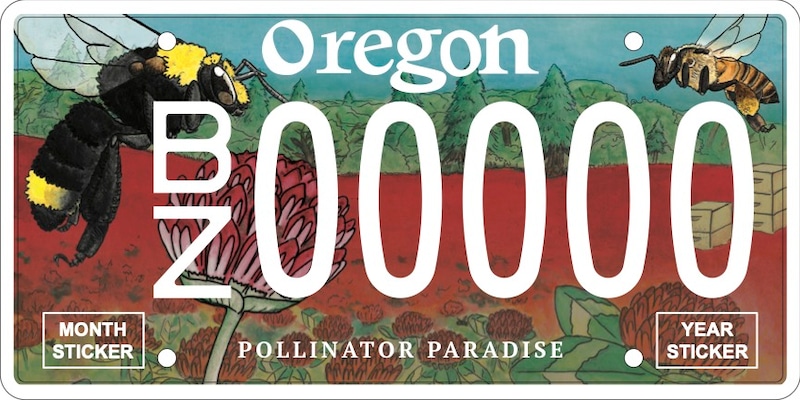
Artist Marek Stanton, 16, of Estacada, created the Oregon Pollinator Paradise license plate, which benefits OSU Extension bee research.

Featuring two of Oregon’s most iconic bees, the managed honey bee and the wild yellow-faced bumble bee, the new Oregon Pollinator Paradise License Plate is designed to showcase the unique Oregon landscape of natural areas, agricultural fields, and backyard gardens that help support the state’s over 600 species of bees. The plate design centers around a field of red clover – a majestic sight that can be found dotting the rolling hills of Oregon’s Willamette and Grande Ronde valleys. 
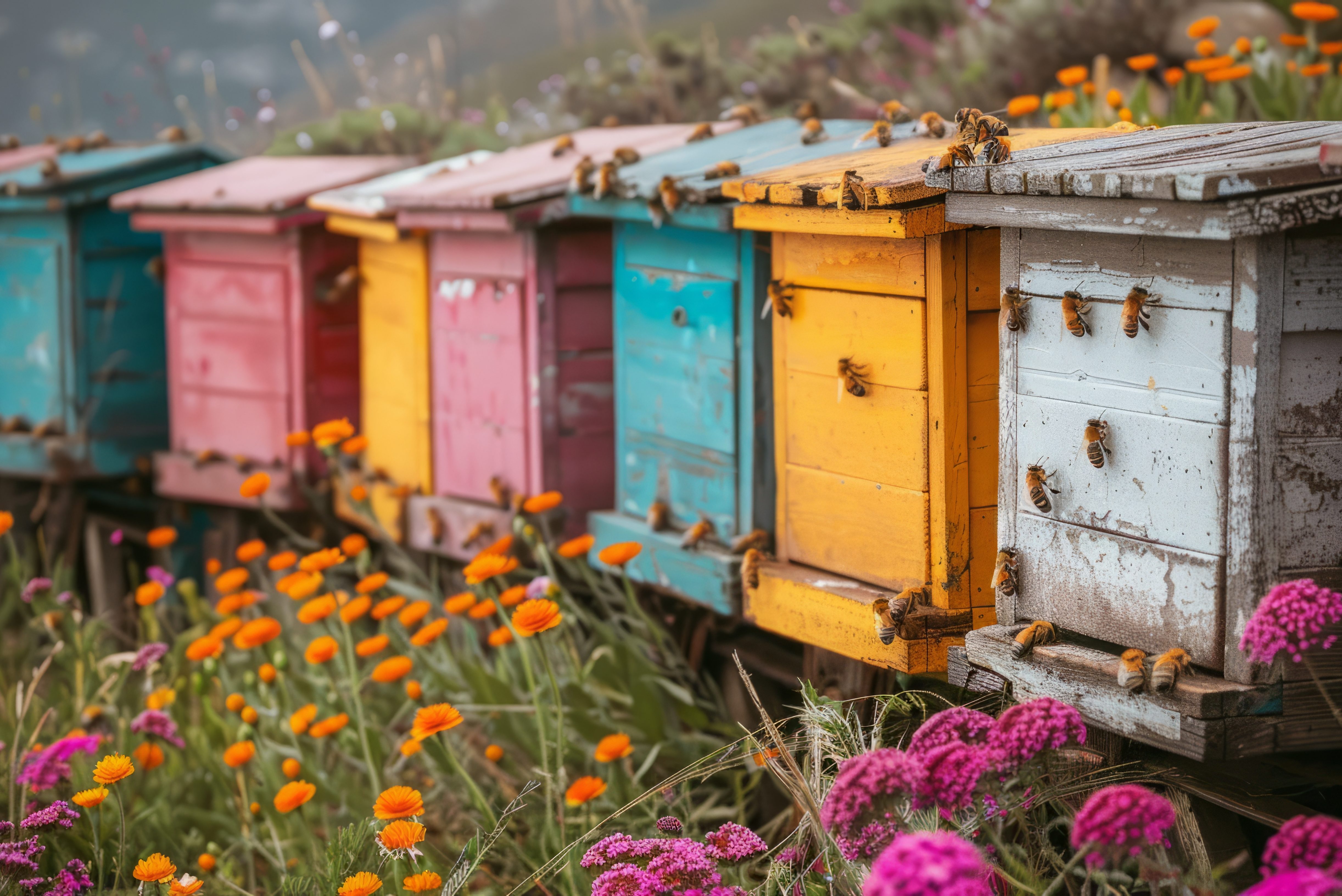
a managed home for pollinators amidst fields of wildflowers

Oregon produces over a quarter of the U.S. supply of red clover seed. Both managed and wild bees pollinate this crop. The nectar and pollen, in turn, is a key food source for bees.

This same interrelationship can be seen in every corner of the state, in coastal cranberry bogs, Rogue Valley pear orchards, high desert carrot seed fields, Columbia River Gorge sweet cherry orchards and Hermiston melon fields.

Bees and other pollinators around the globe pollinate trees, plants and crops which help make life possible on this earth. Without them humans and other species could not survive. But pollinator habitat is imperiled by the changing climate with it’s extremes in temperature, weather, flooding, fires, etc.

Just as pollinators are essential to life on this planet, kindness is essential to human, animal, plant, and planet well-being. Kindness is the essence of caring. And without caring, we don’t have the capacity to “take care of.” Yet, like the wild yellow-faced bumble bee flies around pollinating the flowers and crops, we can pollinate the world with our kindness and care. Without it, however, we face a world severely threatened by unchecked extremes of fear, hatred, violence, and indifference.

The Random Acts of Kindness Foundation offers all sorts of resources to make kindness a norm rather than an exception. According to Wikepedia, a random act of kindness is a non-premeditated, inconsistent action designed to offer kindness towards the outside world. Interesting to note: the phrase “random kindness and senseless acts of beauty” was written by Anne Herbert on a placemat in Sausalito, California in 1982.

Acts of kindness can be spontaneous, like bees moving from one flower to another. Kindness can also be cultivated through an intentional practice of opening our heart to whatever arises, and greeting it with acceptance and love. Then just letting go of whatever we are clinging to. From that place, kindness can spread like a soft breeze, blanketing everything with it’s touch. What might happen if each of us consciously practiced acts of kindness throughout our day and made it our default behavior as we interact with others?

The more kindness we experience for ourselves, the more kindness we can offer to others. We create a pollinator’s paradise with fields of kindness wherever we go.

the radical ethics of kindness

A work friend once gave me a sticker that said
Be Kind.”
On the back she wrote
This made me think of you.

I walked out the door of my last job with that sticker in hand. It touched my heart in a way that I hadn’t felt was present at work for a long time. Reflecting on those words, I realized that what was missing, and what was most important to me, was how I am treated and how I treat other people. Taking care of human beings, treating them with respect and dignity, trusting them to do their best, and above all, being kind toward them. Organizations are not necessarily structured to ensure that happens. Organizational leadership does not always care so much about it either.

With that realization, I have spent this past year exploring what I call the “Radical Ethics of Kindness.” A kindness ethic that can be used as the measuring stick for all that I do: all the actions I take in my thinking, speaking and behaving. It challenges me to do better in my day-to-day world. I’ve also found it gives me courage to take what I see as an ethical stand and it provides basic clarity for how I want to live my life: present and aware in every moment.

This theme will wind its way through many of my blog posts. Other virtues will find their way in as well. In the book of Galatians, the Apostle Paul said that the fruit of the spirit is a set of virtues: “love, joy, peace, forbearance, kindness, goodness, faithfulness, gentleness, and self-control.” I grew up as a Catholic, and now practice and teach Buddhism as an ordained Dharma Teacher. The virtues and deep teachings of both spiritual traditions have found resonance in my heart and soul. I hope to offer some of what I have learned over the many years of my life to those who are interested in my writings.

“My Religion is Kindness”

-Kathleen Braza
nationally recognized
bereavement educator and counselor
1947-2025

the power of your smile

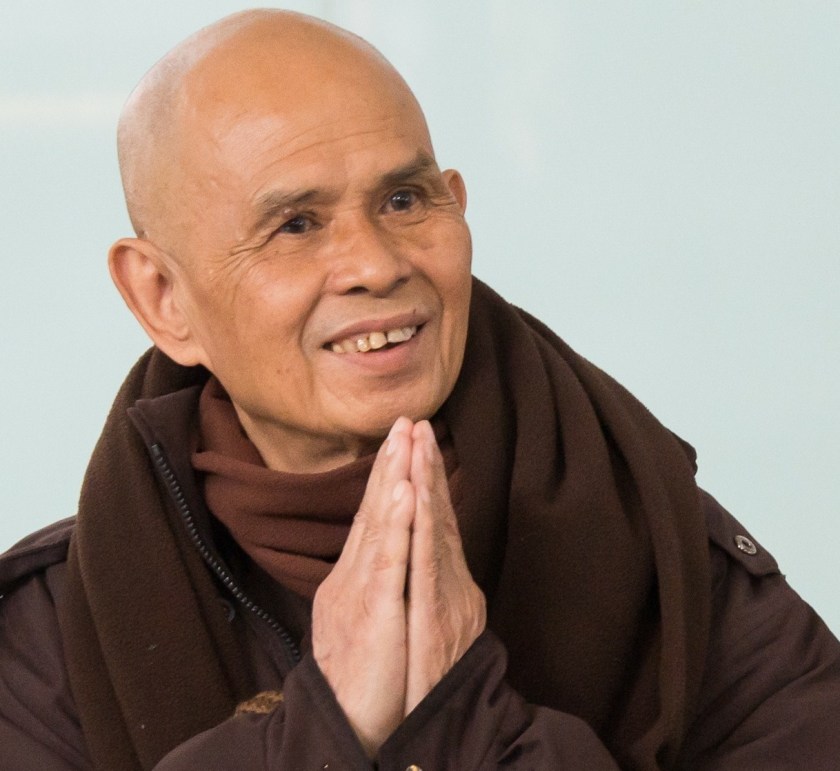
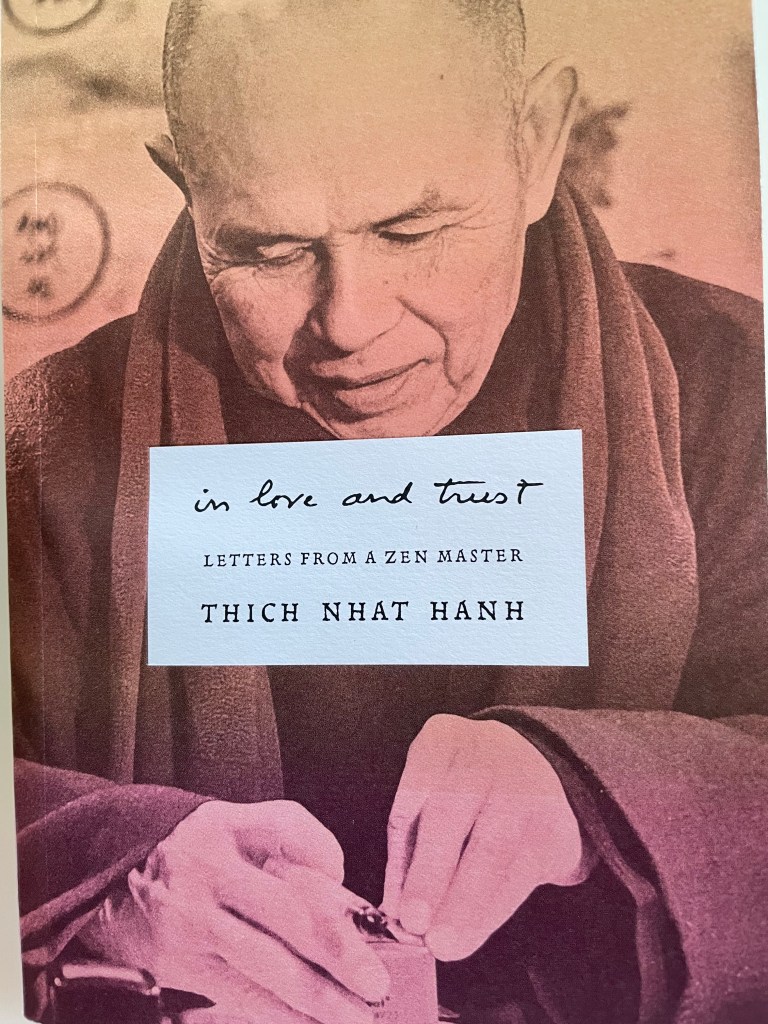
The first thing I remember learning from Thich Nhat Hanh over 25 years ago was the benefit of a half-smile. He taught that smiling can make you happier. It was my first experience with mindfully taking care of myself in a positive way. He also taught that if you are happy or joyful, a smile will naturally appear on your lips. For many years now I have consciously practiced smiling. Even when I am grumpy on the inside, others have reflected that it doesn’t show on the outside!

There is research that says smiling increases our well-being. According to Psychology Today, smiling is a natural stress reliever—it can lower your heart rate, reduce blood pressure, and even boost your immune system by cutting down on cortisol, the stress hormone. When you smile, your brain releases feel-good chemicals like endorphins, which help ease pain and stress, and serotonin, which can lift your mood.

Smiling can also create positive emotional feelings and interactions between people through the action of mirror neurons, located in several key areas of the brain. These amazing neurons are fundamental to our ability to understand others’ actions and intentions, including their emotions. They allow us to “mirror,” and at the same time experience, the actions and feelings of others, allowing us to create a sense of empathy and connection with each other. When we smile then, our well-being expands beyond our own selves. It can have a positive effect on our relationships, our interactions with others and the spaces we share together. Imagine – this is the power of your smile!

“Peace begins with a smile”
-Mother Theresa of Kolkata

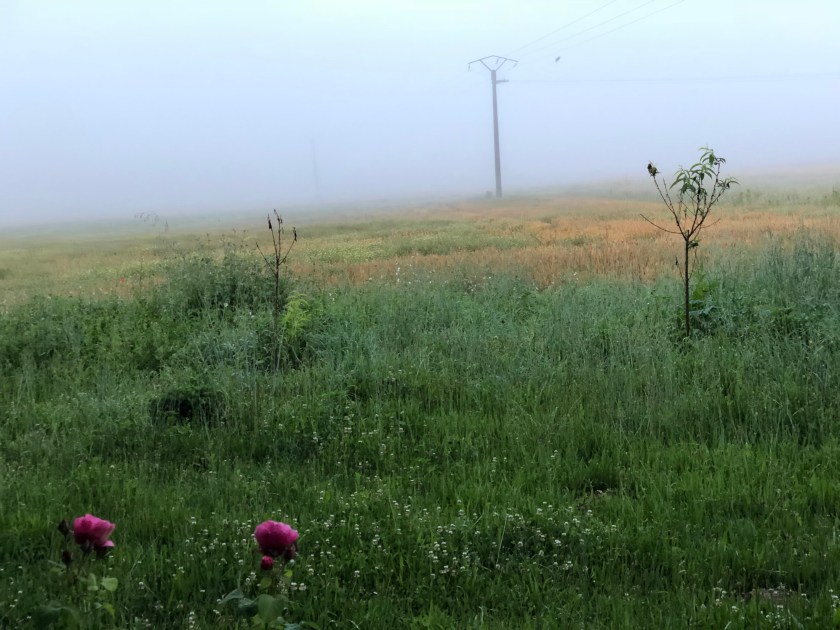
morning mists

Intimate with
breath
moving
in and out

Gentle kindness
embracing a troubled
heart and mind

Calm, space.

Moist tears of
realization and compassion
gathering like
morning mist rising from
the body of the earth
as she is touched by
warm rays from
the heart of the sun.
Nisi

squirrel gatherings

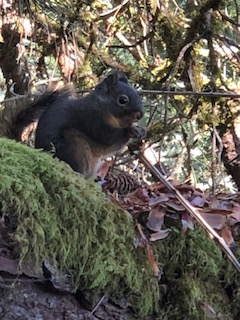
Over the past week I have hit and killed two squirrels as I drive the country roads on my way to work. Sometimes animals show up in my life, and their life energy speaks to something I am struggling with. I’m not saying these squirrels died for my sake, but that the experience was an opportunity to wake me up to how they live their lives, and to the lessons they may have to offer me:

“Squirrel has another lesson which can aid you if you observe the obvious, and which can prepare you for anything. It has to do with the safe place in which to put your gatherings. This safe place is an untroubled heart and mind, and that which is gathered to put in this place is wisdom and  caring.

The energies gathered will set your heart and mind free, so that you will know that all will be taken care of in its own time. Apply this to your fears about the future and they will vanish.”

Jamie Sams & David Carson

bodhisattva vows

In Mahayana schools of Buddhism, a bodhisattva is a person who practices not only for their own transformation, but also to help relieve the suffering of all beings. Reciting the Bodhisattva Vows of Mahayana Zen Buddhism can help practitioners water their aspiration to cultivate a mind of love and continue their practice—even through difficulties. The following is Thay’s translation of the Bodhisattva Vows, reflecting the essence of Plum Village teachings:

The awakened way is unsurpassable; I vow to embody it.

However innumerable beings are, I vow to meet them with kindness and interest.

However inexhaustible the states of suffering are, I vow to touch them with patience and love.

However immeasurable the Dharmas are, I vow to explore them deeply.

However incomparable the mystery of interbeing, I vow to surrender to it freely.

the five contemplations before eating

In the Plum Village tradition, we recite the Five Contemplations before we begin eating. On retreat or with friends, we practice eating joyfully together in silence for a period of time. This way we are present for the food, our friends, and the wonders of Mother Earth, without being carried away from the present moment by conversation.

At home, part of my morning routine is to recite my own version  of the Five Contemplations before I eat. This particular version began germinating from an insight I experienced while on retreat in the winter of early 2017. As I ate, I viscerally felt the many forms of suffering experienced by each grain of oatmeal, each piece of bread, each and every bit of food I ate. During that retreat I vowed to act with more kindness and less violence in my thoughts, words and actions. I’m still working on that 😉 Over the next nine months of practicing with the Five Contemplations, I changed or added phrases to remind me of my aspiration. It keeps my practice fresh and alive. Here is my current version:

This food is a gift of the earth, the sky, numerous living beings, and much hard and loving work.

May I eat with mindfulness and gratitude so that I can see clearly into the suffering and sacrifice that brings this food to my plate today.

Taking care of my hungry ghosts*, I vow to recognize and transform harmful habit energies**, cultivate courage & well-being, and practice eating with moderation.

May I keep compassion alive by consuming in such a way that reduces the suffering of living beings, stops contributing to climate change, and heals and renews this precious planet.

I accept this food so that I may deepen spiritual friendships, build our Beloved Community, and nourish my aspiration of serving all beings.

*hungry ghosts have narrow throats and big stomachs, are always hungry and never satisfied
*whatever is alive right now, like craving, worry, fear, pride, agitation, etc.